

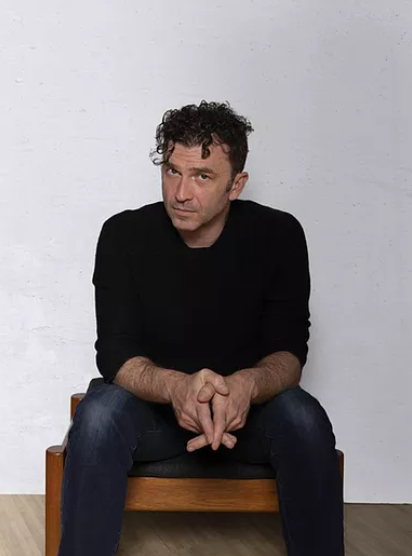
Will Randle
LISW-S, Sensorimotor Therapist and Consultant, Advanced Topics Trainer
Hello! My name is Will (he/him). I attended The Ohio State University for my graduate degree, lived and practiced in Los Angeles for some time before returning to Columbus. I think Columbus is a pretty great town. I have been working as a Clinical Social Worker with survivors of trauma, abuse, and extreme experiences since 1998.
Most of the folks I've worked with over the years have experienced varying degrees of abuse and neglect. This includes people who’ve been in combat, abused as children in or outside the home, were trafficked and/or used in torture-based child trafficking, and so forth. I have worked with children, adolescents, adults, families, and couples. My areas of focus include Post-traumatic Stress, Dissociation and Dissociative disorders, Eating Disorders, Depression, Anxiety, treatment failure, and Organized Extreme Abuse (OEA) or RAMCOA. I do a lot of training for Dissociative Identity Disorder (DID) level trauma and how to effectively integrate a non-traumatic experience when everything the client has known is trauma.
Most of how I understand people is grounded in somatic, Sensorimotor, and other more physiologically-based models of being human. I also tend to come at things from a more Buddhist, cause-and-effect understanding of things. I ground my understanding of how people work – and how they heal – in human physiology and Buddhist practices more than in traditional psychology. Adverse experiences affect people physically and emotionally, often beneath language’s ability to express. Buddhism studies the mind on a practical, personal level, and the practices can be of benefit regardless of religion or spiritual belief.
Will owns Will Randle LLC and works collaboratively with Imagine Recovery Counseling. He offers individual and group consultation. Will is an established Trainer in Columbus and provides a wide variety of training largely centered around Traumatic Dissociation. Most of the folks who consult with him are working with traumatic dissociation (including DID and OEA experiences), eating disorders, and/or treatment failure. Will is a Community Care Advocate for Kind Help and helps to support the local movement to advocate for those seeking kindness.
Will is not taking clients at this time, as he is largely in high demand due to his specialization. In an effort to protect his burnout and sustainability, the owner will not receive any new clients requests, however, can help arrange for a referral within the team or from others in the community.
In his spare time, Will loves spending time with his daughter and wife, doing any kind of physical activity, meditating, listening to music, and being outside.
Reach out to contact Will about consultation or training.
What does trauma recovery mean to you?
“People aren’t random. Nobody is. I’ve never seen anyone who is a mystery. Eventually, everyone makes sense. Strange behaviors are always based in reality. I work with people who have had extreme experiences. They can’t always tell me what happened but their reflexes and body language says so much.
I think trauma recovery involves not so much just internal change, but actual environmental and social changes. Trauma - in my understanding - occurs when there is a lack of enough in your environment, and in your life in general. Not enough protection. Not enough kindness. Not enough visibility. Not enough security. Not enough people outside of you helping you with what you need. I have not met a person who is traumatized by having enough of what they need. So the internal impacts of trauma - which are incurred as your system tries to adapt to otherwise overwhelming experiences - only really get to change when the outside stuff changes, too. So in therapy (as I am a therapist), I am mainly trying to help the person get their needs met in an environment where we can actually maintain kindness, some measure of security, and help the person access and metabolize the resources they actually need, to the best of our capacity. I think - just like how trauma comes from someone outside of you - recovery must come from having the people and resources you need. That’s my understanding at this point in my life. “
— Will Randle