


DBT Group and Individual Therapy
17 Weeks
Taking clients for the next group!
Wednesday Skills Group: January 6th
from 12:00-1:00pm
Many challenges can be overcome by learning, and strengthening, practical skills.
By developing new ways of responding, we can navigate stress more effectively and support our overall well-being.
This group experience offers tools to help you respond to you life with greater awareness, self-compassion and ease.
What to Expect
This 17-week program is a full, comprehensive DBT treatment (not just a skills-only group). You will receive layered, coordinated support designed to help skills actually stick…especially when life gets hard.
Along with a weekly DBT skills group, you’ll have individual DBT therapy focused on your personal goals and real-life challenges, plus between-session phone coaching so you can get support using skills in the moment, not just after the fact. Behind the scenes, our DBT clinicians meet weekly for consultation to ensure high-quality, consistent, adherent care.
This structure is what makes DBT so effective: you’re not doing this alone, and you’re not just learning skills, you’re practicing them with support, accountability, and a team committed to helping you build a life that feels more stable, manageable, and worth living.
❋ Intentional StructureWe combine structured skills training, individualized support, and real-time coaching, so DBT feels both grounded and responsive to real life.
❋ Collaborative EnergyConnection is a core part of the process. You’ll learn just as much from the group as from the content itself.
❋ Expert FacilitationLed by experienced guides who know how to hold space, encourage participation, and keep things moving with purpose.
❋ A Supportive SpaceOur group therapy programs prioritize comfort, safety, and respect, so you can show up as you are and fully engage in the process.
How can DBT help?
Anxiety & Depression: DBT helps increase awareness of unhelpful thought patterns, supports changing them, and encourages engagement in activities that support emotional health.
Substance Use: DBT supports reducing cravings, avoiding high-risk situations, and developing healthier ways to manage stress and emotional triggers.
Self-Harm: DBT offers specific skills to manage urges, increase safety, and replace harmful behaviors with more effective coping strategies.
Attention-Deficit/Hyperactivity Disorder (ADHD): DBT skills support impulse control, emotional regulation, and practical organization skills for daily life.
Borderline Personality Disorder (BPD): DBT helps regulate intense emotions, tolerate distress, and address patterns related to impulsivity, self-harm, and relationship difficulties.
Eating Disorders: DBT is often used for binge-eating and bulimia by strengthening emotional regulation and distress tolerance skills.
Post-Traumatic Stress Disorder (PTSD): DBT can support trauma recovery by providing grounding skills and reducing the intensity of trauma-related symptoms.
Anger Management: DBT helps identify emotional triggers and develop strategies to express anger without aggression.
-
DBT is grounded in the idea that many challenges are relieved by learning, and strengthening, practical skills.
By developing new ways of responding, people can navigate stress more effectively and support their overall well-being. For example, when work stress or a difficult relationship feels overwhelming, DBT offers tools to respond with greater awareness and choice. Mindfulness skills help notice triggers and reactions, distress tolerance and acceptance support getting through intense moments, emotion regulation helps create more balance, and interpersonal effectiveness skills focus on communicating needs, setting boundaries, or making thoughtful decisions about next steps.
Week 1 - Mindfulness
Weeks 2 thru 8 - Emotion Regulation
Weeks 9 thru 12 - Distress Tolerance
Weeks 12 thru 17 - Interpersonal SkillsCost - Participants may use accepted insurance or self-pay $25 per session
Your Facilitator
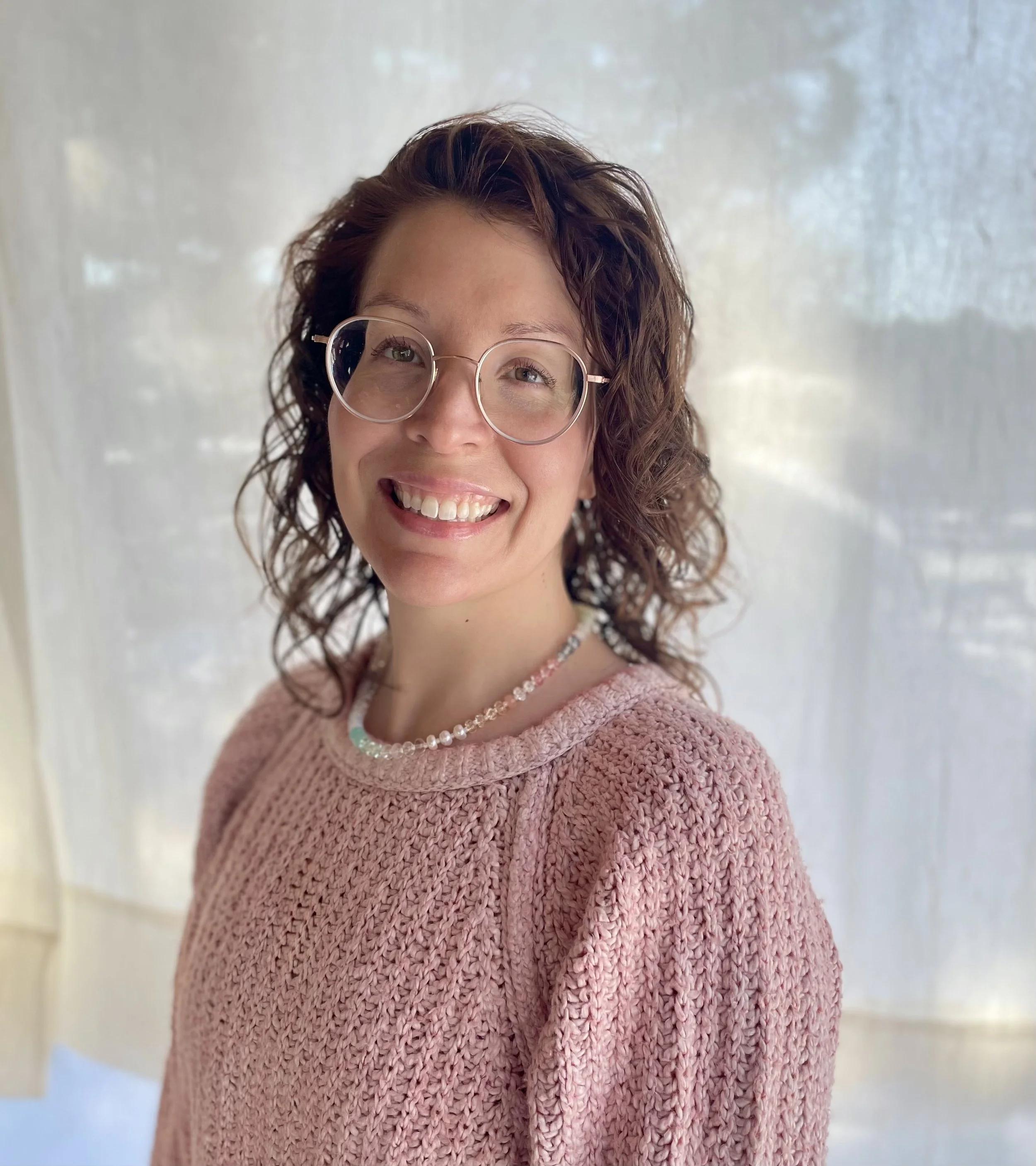
Lauren McKeown
LISW, LMSW, DBT Lead FacilitatorLauren is a licensed clinical social worker in Michigan and Ohio with over 15 years of experience, trained in multiple evidence-based therapies for individuals and couples. She takes a collaborative, multicultural approach that emphasizes feeling seen and understood while supporting clients in building healthier relationships and moving toward meaningful, values-aligned change.