

Sarah Hurst-Pelfrey
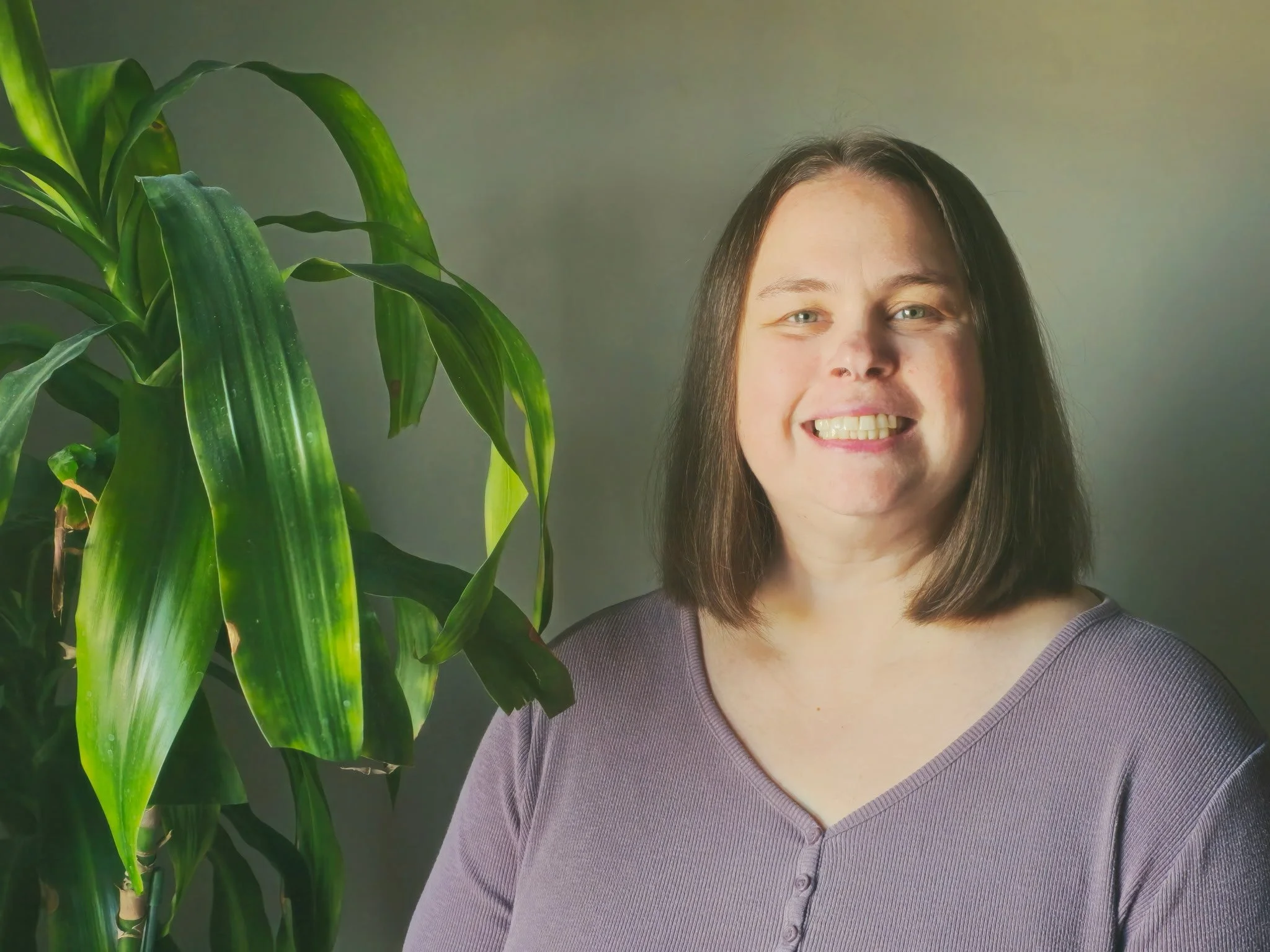
LPCC, LICDC, EMDR Therapist, Queer and ND Affirming Therapist
Sarah Hurst-Pelfrey (she/her) is a Licensed Professional Clinical Counselor, Licensed Independent Chemical Dependency Counselor with a Bachelor’s degree in substance use counseling and a Master’s Degree in Clinical Mental Health Counseling from Ashland Theological Seminary.
Sarah has been in practice since 2014. Sarah has experience in a variety of settings including community mental health, substance use disorder treatment programs/ Medication Assisted Treatment, county jail, specialized court docket programs, school based, integrated care counselor within a FQHC (Federally Qualified Health Center), and private practice. Sarah specializes in working with a variety of adult populations including: those who have experienced trauma, post traumatic stress disorder, dissociative disorders, neurodivergent, current or history of involvement with the legal system at the county, state, and federal levels, dual diagnosis those with both mental health and substance use disorder diagnosis, 2SLGBTQIA+, gender transitions and life adjustment concerns.
Through her experience with the court/legal system Sarah is able to provide court ordered mental health and/or substance use assessments and treatment recommendations. Sarah also provides assessments and letters for those seeking gender affirming medical and surgical care.
No matter the client or concern Sarah prioritizes establishing a therapeutic relationship, empowering clients to identify and utilize their strengths, and creating a warm, non-judgmental, accepting, culturally sensitive and relational environment. Seeing each of her clients as a whole person (not just their symptoms or diagnosis) and gaining understanding of how experiences, past and current, impact the client. Sarah prides herself on being an ally, support and treatment professional to those identifying as 2SLGBTQIA+, neurodivergent, those whose gender identity is not exclusively male or female, and other under served populations.
Sarah utilizes a variety of therapeutic treatment modalities to empower client’s in obtaining their treatment goals. Her primary therapeutic approach is Eye Movement Desensitization and Reprocessing (EMDR) therapy. Sarah uses EMDR to assist clients with resolving symptoms related to trauma/PTSD, depression, anxiety, substance use, and attachment/relational wounds. Her other therapeutic approaches include Cognitive Behavioral Therapy (CBT), Dialectical Behavioral Therapy (DBT), Acceptance and Commitment Therapy (ACT), Motivational Interviewing, Sand tray and Ego State therapy/Internal Family Systems/parts work.
Sarah is currently prioritizing clients interested in EMDR for trauma and/or other concerns, those with dissociative disorders, ADHD, and parts work (with or without a dissociative disorders).
Sarah considers her clients one of her greatest teachers and considers it a privilege to be entrusted with each client’s unique story. As one of Sarah’s favorite literary characters states, “You never really understand a person until you consider things from his point of view…until you climb inside of his skin and walk around in it”. Atticus Finch, To Kill a Mockingbird. Through humor, connection, challenges, and progress Sarah looks forward to being apart of your recovery journey!
In her free time, Sarah enjoys spending time with family and friends, traveling, DIYing from arts, crafts, to building furniture, reading, taking walks, spending time outdoors, supporting local restaurants and shops, concerts, and being a parent to her human, fur, and plant babies/kids/adolescents.
Reach out to schedule with Sarah.
What does trauma recovery mean to you?
The word trauma originates from a Greek word meaning a wound or hurt. This word for wound or hurt differentiated from physical wounds, hurt, or injuries, acknowledging humans can endure mental and emotional wounds, in addition to physical. Humans encounter varying severities of trauma resulting in varying impact. If not healed the impact of trauma will carry into the present.
Trauma recovery is the life long, continuous, process by which one acknowledges the impact of their experiences and chooses the path of healing. Recovery is an individualized, challenging, beautiful process that allows one to heal from experiences that have caused them to be wounded. Trauma recovery is about finding your unique path to healing and committing to the journey.
Trauma recovery is about reclaiming a sense of self, safety, empowerment, trust and connection.
- Sarah Hurst-Pelfrey